
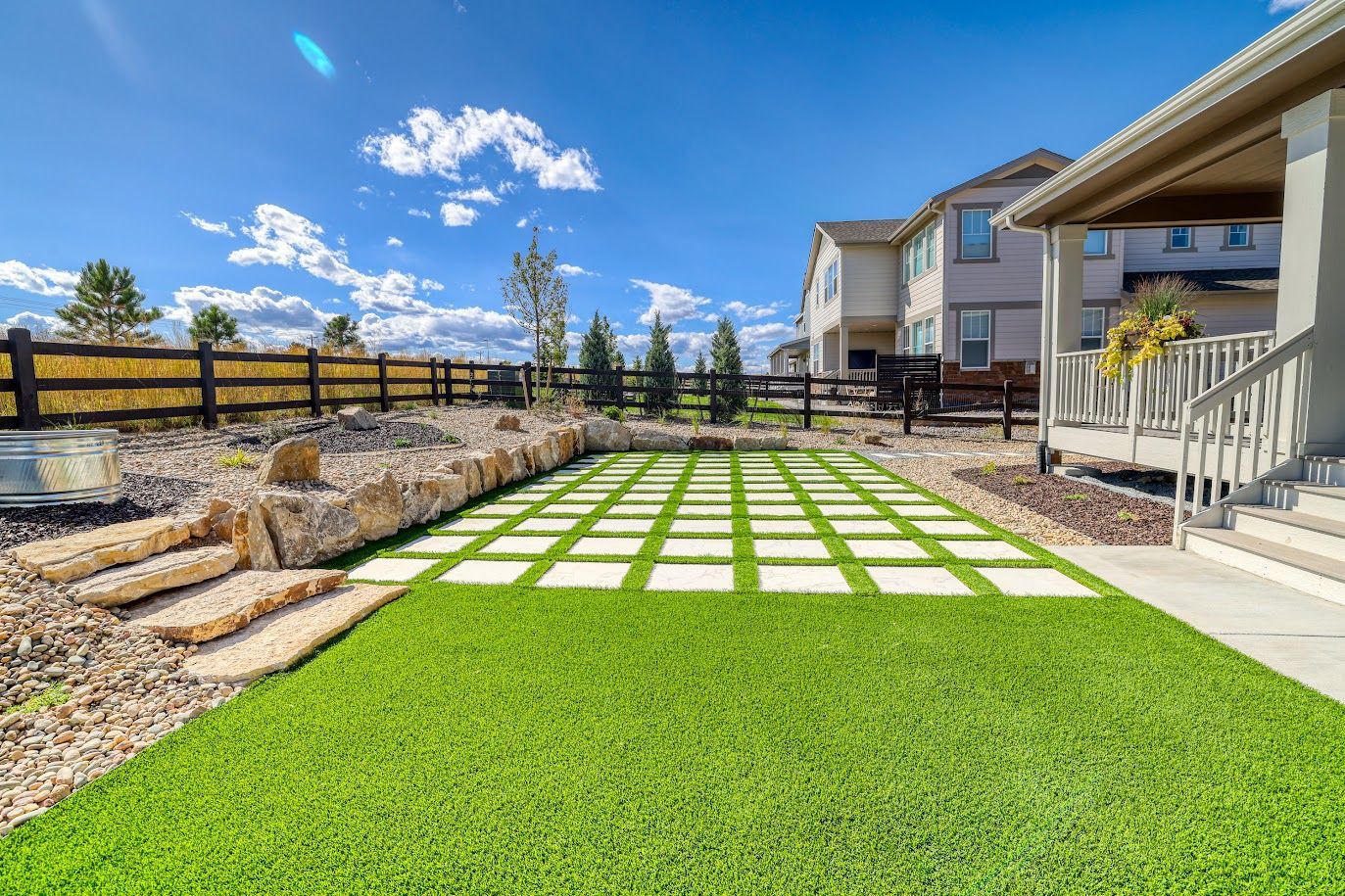
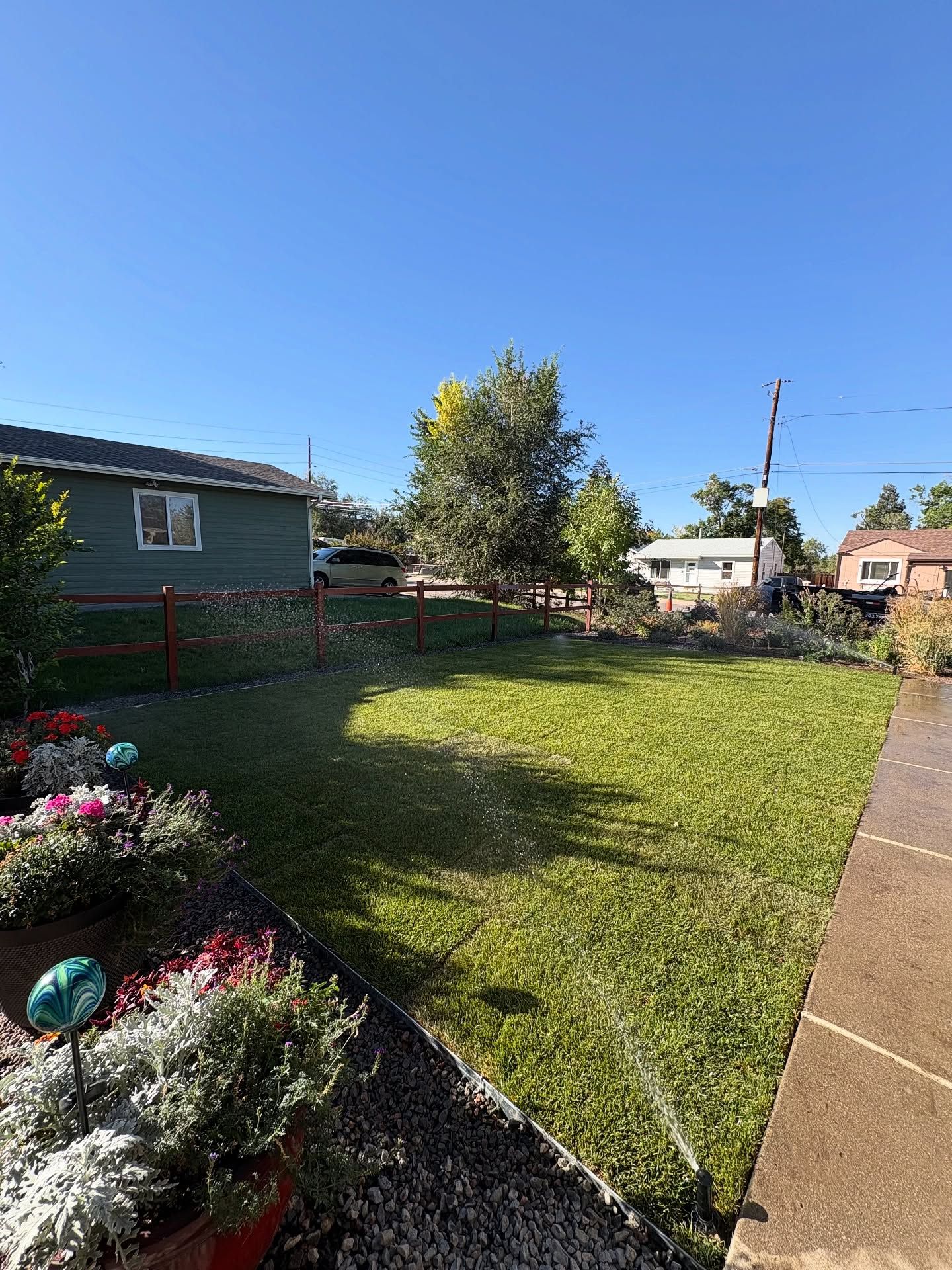
What Does It Mean to Build a Sustainable Landscape? As we navigate a world increasingly aware of its own environmental challenges, sustainable landscaping offers a refreshing way to blend beauty with ecological mindfulness. It’s not just about creating visually appealing outdoor spaces; it’s about fostering a deeper connection with nature. By incorporating native plants and efficient water systems, these landscapes invite us to appreciate the local environment while also taking steps to protect it. With thoughtful design, sustainable landscaping not only requires less upkeep but also supports a thriving ecosystem. Embracing this approach is about more than aesthetics—it’s about cultivating a healthier planet for generations to come. Understanding Sustainable Landscapes Sustainable landscaping aims to harmonize human needs with nature, amid challenges like water scarcity and habitat loss. Native plants play a key role by thriving in local climates, requiring less water, and supporting pollinators like bees and butterflies. Unlike non-native species, native plants enhance biodiversity and reduce resource demand, creating a self-sustaining environment. Planning for Sustainability Site Assessment: Start with a detailed assessment of soil quality, water availability, and sunlight exposure. Microclimates and terrain are critical to selecting plants suited to specific conditions, ensuring your landscape is resilient and efficient. Smart Design Practices: Techniques like xeriscaping, rain gardens, and green roofs reduce water use and support local wildlife. By integrating native plants with features like ponds and bee habitats, your landscape becomes a thriving, interconnected ecosystem. Water Conservation: Drip irrigation and rainwater harvesting are vital for resource efficiency. Mulching can also minimize evaporation and maintain healthy soil, reducing the need for extensive watering. Long-Term Maintenance and Benefits Maintaining sustainable landscapes involves eco-friendly practices like using compost for soil health, encouraging natural predators to manage pests, and applying seasonal care. These methods reduce reliance on chemicals, cut costs, and support local wildlife. The benefits of sustainable landscaping extend beyond your yard. By reducing urban heat, improving air quality, and conserving resources, these landscapes contribute to a healthier environment. Economically, they save on water bills, fertilizers, and long-term maintenance while enhancing property value. Get Started on Sustainable Landscaping with JRM Landscape Sustainable landscaping connects communities to nature by offering spaces for recreation and relaxation. It boosts mental health, strengthens bonds, and raises awareness about environmental stewardship. Whether creating green oases in cities or preserving natural habitats in suburban areas, sustainable landscaping is an investment in the planet and future generations. To elevate your outdoor space and make a positive environmental impact, JRM Landscape is here to help. From expert planning to thoughtful maintenance, we’ll guide you in creating a sustainable, beautiful landscape tailored to your needs. Contact us today at (833) 536-0067 to get started!
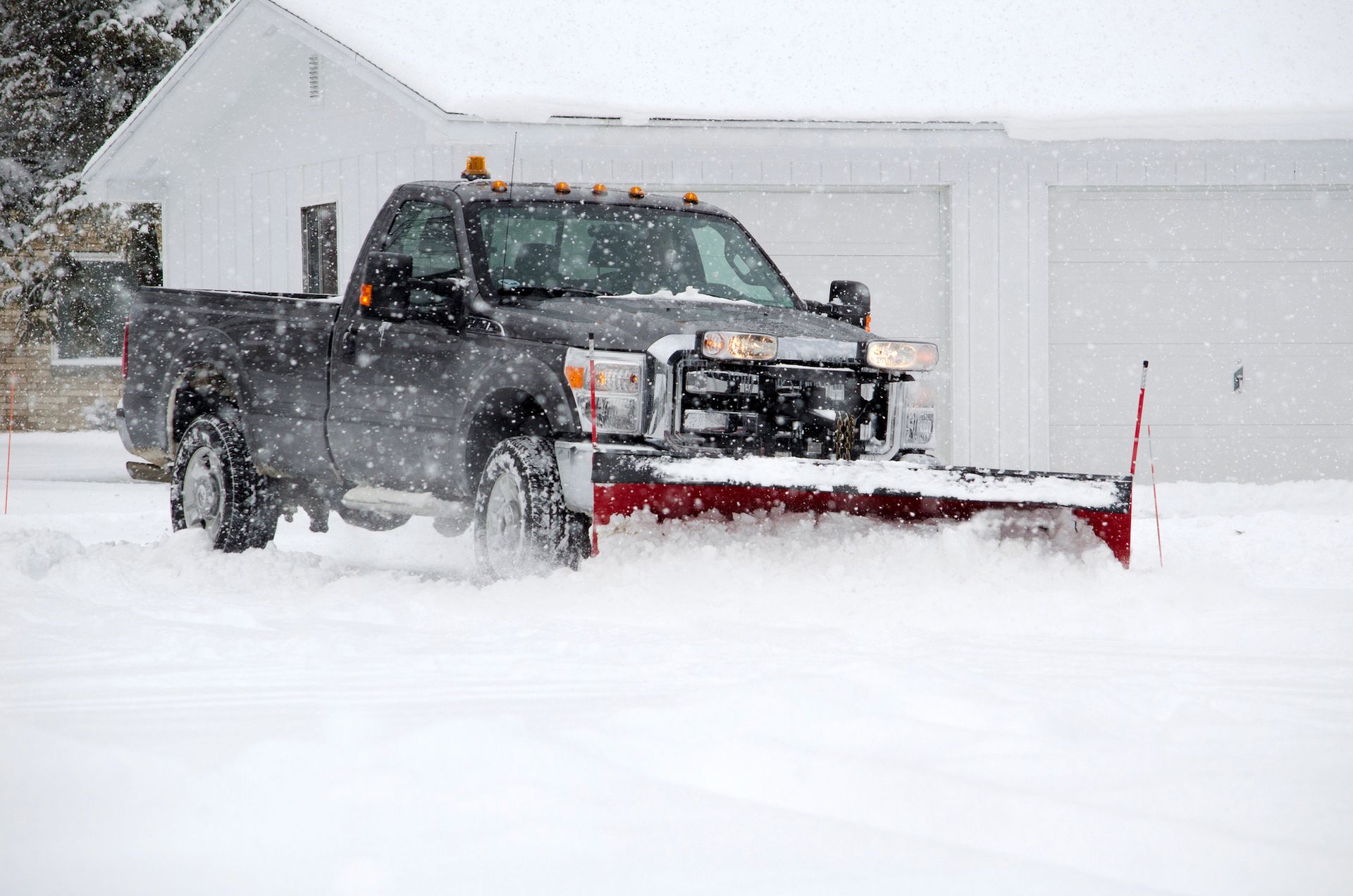
Winter in Colorado brings beautiful scenery and challenging weather conditions. For business owners and property managers in Highlands Ranch, Parker, Castle Rock, and Englewood, snow and ice can create serious liability issues and disrupt daily operations. Understanding what goes into an effective snow removal contract protects your property, your customers, and your bottom line. Don't wait until the first snowfall to secure your snow removal services. Contact JRM Landscape today through our online contact form or call (833) 536-0067 to discuss your commercial property's winter needs. Why Snow Removal Contracts Matter for Your Business A well-structured snow removal contract does more than just clear your parking lot. It establishes clear expectations, defines responsibilities, and protects both parties from misunderstandings when winter weather strikes. Without a solid agreement in place, you might face unexpected costs, inadequate service during critical times, or disputes about what was supposed to be included. Many property managers discover too late that their snow removal agreement doesn't cover the specific situations their business faces. Taking time now to understand contract essentials can save you thousands of dollars and countless headaches throughout the winter season. Essential Elements Every Contract Should Include Service Scope and Trigger Points Your contract should clearly define when services begin. Most agreements use a "trigger depth" measurement, typically between 1 to 3 inches of snowfall, that activates the service provider's response. Consider your business hours and customer traffic patterns when determining your trigger point. The scope should specify exactly which areas receive attention: Parking lots and drive-through lanes Sidewalks and building entrances Loading docks and emergency exits Designated snow storage or removal areas Response Time Expectations Time matters when snow starts falling. Your contract needs specific language about response times. Will your provider begin plowing within two hours of the trigger depth? Before business hours? Understanding these timelines helps you plan staffing and communicate with customers during weather events. Different businesses have different needs. A retail location might need clearing before 6 AM, while an office building could have more flexibility. Make sure your commercial landscaping partner understands your specific operational requirements. Pricing Structures Explained Snow removal contracts typically follow one of several pricing models, each with distinct advantages depending on your situation and risk tolerance. Per-event pricing charges you each time service occurs. You pay only for actual snow removal, which can benefit businesses during light winter seasons. However, costs become unpredictable during heavy snow years, making budgeting difficult. Seasonal contracts charge a flat rate regardless of snowfall amounts. This approach provides budget certainty and often receives priority service since the provider has guaranteed income. Many businesses prefer this stability for financial planning purposes. Hourly rates work for some situations but can lead to disputes about efficiency and time spent on-site. This model requires careful monitoring and clear communication. Consider your local weather patterns and budget constraints when choosing a pricing structure. Colorado's snowfall can vary dramatically from year to year, influencing which approach makes the most financial sense. Understanding Service Limitations and Exclusions Every contract has boundaries. Common exclusions might include damage to landscaping features hidden under snow, pre-existing pavement issues, or problems caused by inadequate drainage. Review these carefully to understand what situations fall outside your agreement's coverage. Ice management deserves special attention in your contract. Some agreements include de-icing or anti-icing treatments, while others treat these as separate services. Given Colorado's freeze-thaw cycles, effective ice control often matters as much as snow removal itself. Weather conditions sometimes prevent safe operations. Your contract should address how extreme situations are handled, including blizzard conditions or temperatures too cold for salt effectiveness. Liability and Insurance Requirements Protection matters for everyone involved. Your snow removal contract should specify minimum insurance coverage levels, including general liability and workers' compensation. Request certificates of insurance before the season begins, and verify they remain current throughout winter. Understand who bears responsibility for slip-and-fall incidents. While your service provider maintains clear surfaces, timing and documentation become crucial in liability situations. Many contracts include photo documentation of completed work, creating records that protect both parties. Your contract should clarify damage responsibilities. Professional providers carry insurance for equipment damage to your property, but understanding the claims process before problems occur prevents disputes during stressful situations. Communication Protocols and Documentation Effective winter property management requires clear communication channels. Your contract should establish how you receive service notifications. Will you get text updates? Email confirmations? Real-time tracking through an app? Documentation practices protect your business. Many providers photograph conditions before and after service, timestamp their work, and maintain detailed service logs. These records prove invaluable if questions arise about service completion or timing. Establish a primary contact person on both sides. When snow falls at 3 AM, everyone needs to know who makes decisions and handles urgent issues. Include backup contacts for situations when primary contacts are unavailable. Questions to Ask Before Signing Before committing to any agreement, clarify several important points: What happens during severe weather that exceeds normal conditions? How are disputes resolved if service expectations aren't met? Can you adjust service levels mid-season if business needs change? What equipment will be used, and is it appropriate for your property size? Does the contract automatically renew, or does it require annual renegotiation? Understanding the provider's other commitments also matters. Companies that overextend themselves during busy periods might struggle to meet response times. Ask about their client load and equipment capacity relative to their service area. For businesses with multiple locations, inquire about consistency across properties. Coordinated service helps maintain your brand standards and simplifies management across your portfolio. Maintaining Your Property Year-Round Winter represents just one season in your property's annual maintenance cycle. Partnering with a company that offers comprehensive grounds maintenance throughout the year creates continuity and ensures your property always looks professional. Year-round providers understand your property's unique characteristics, drainage patterns, and potential problem areas. This familiarity translates to better winter service because they already know where ice tends to form or where snow should be stacked. Prepare Your Business for Winter Success Colorado winters demand preparation and planning. A thoughtfully constructed snow removal contract protects your investment, ensures customer safety, and provides peace of mind when weather turns challenging. Taking time to understand contract elements and ask the right questions sets your business up for a smooth winter season. JRM Landscape brings extensive experience in commercial snow removal throughout Highlands Ranch, Parker, Castle Rock, Englewood, and surrounding Colorado communities. Our team understands the specific challenges local businesses face during winter weather. Ready to discuss a snow removal plan tailored to your property's needs? Reach out through our online contact form or call (833) 536-0067 to speak with our team about protecting your business this winter.
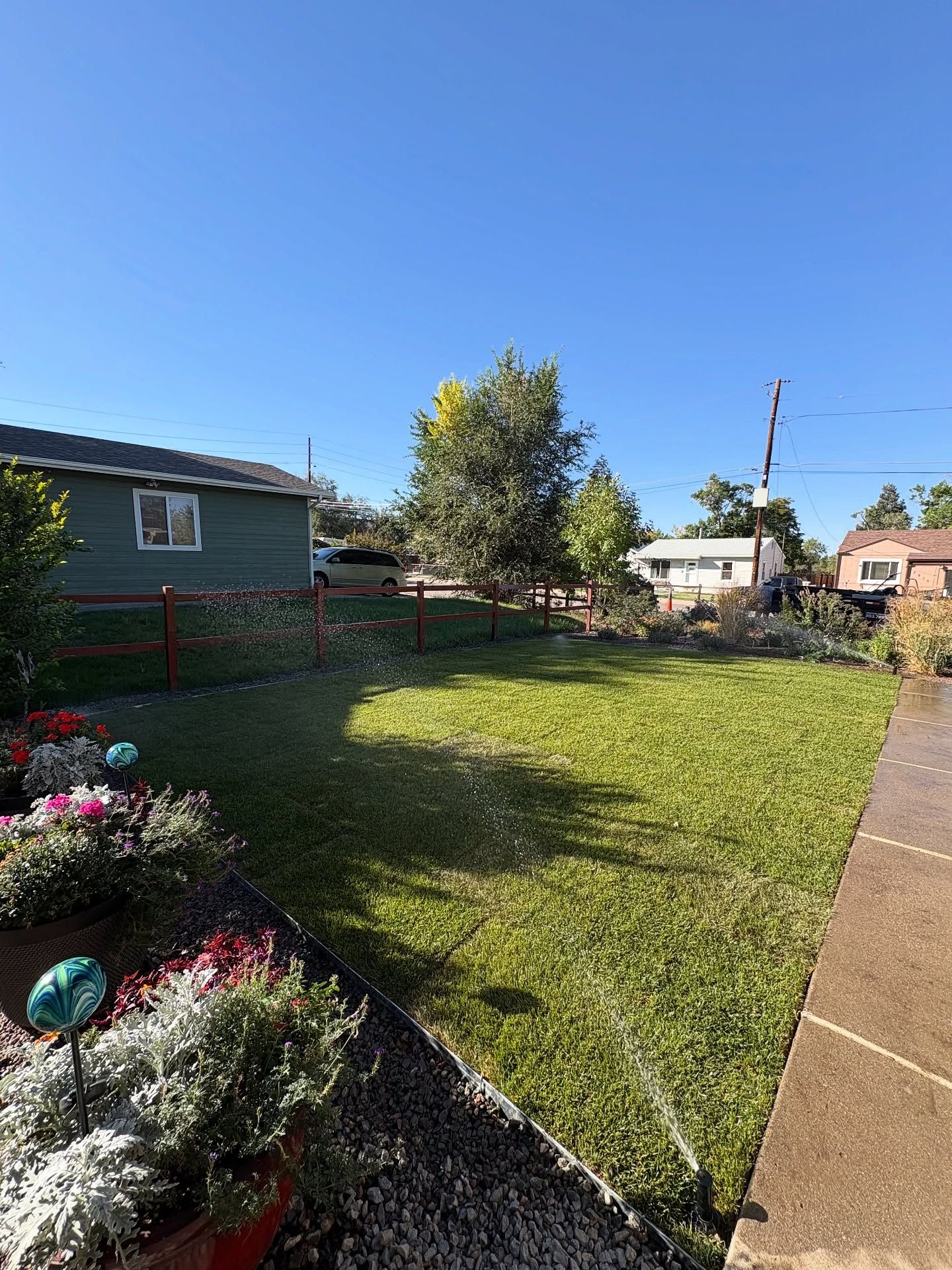
Winter in Colorado brings beautiful snow-covered landscapes, but it also presents unique challenges for homeowners who want to maintain healthy lawns and plants. The combination of freezing temperatures, dry air, and occasional warm spells can stress your outdoor spaces. The good news is that with a few straightforward practices, you can protect your yard through the cold months and set it up for a vibrant spring comeback. Don't let winter damage undo your hard work. Contact JRM Landscape today by calling (833) 536-0067 or filling out our online contact form to discuss your winter lawn care needs. 1. Keep Your Lawn Hydrated During Dry Spells Many Colorado homeowners mistakenly believe their lawns don't need water once temperatures drop. However, our region's dry winter climate can dehydrate grass roots, leaving them vulnerable to damage. When snow cover is minimal and the ground isn't frozen, your lawn still needs moisture to survive. Water your lawn on warmer days when temperatures rise above 40 degrees Fahrenheit. Aim for midday watering sessions when the sun is at its strongest, allowing the water to soak in before evening temperatures drop. This prevents ice formation on the grass blades while ensuring roots receive necessary hydration. Consider these watering guidelines for winter months: Water once or twice per month during dry periods with no snow cover Apply about one inch of water per session to reach root depth Focus on south-facing and west-facing areas that receive more sun exposure Avoid watering if a hard freeze is expected within 24 hours If you have an automated system, you'll want to adjust it for seasonal needs. Professional irrigation systems can be winterized and programmed to account for Colorado's unpredictable weather patterns. Regular winter watering helps grass plants maintain their energy reserves and strengthens their ability to bounce back when spring arrives. 2. Protect Plants and Shrubs from Harsh Elements Colorado's temperature swings can shock plants, causing damage to branches, bark, and root systems. Protecting your valuable plants now saves you from costly replacements later and preserves the beauty of your landscape design. Start by applying a 2-4 inch layer of organic mulch around the base of trees, shrubs, and perennial plants. Mulch acts as insulation, keeping soil temperatures more consistent and preventing the freeze-thaw cycles that can push plant roots out of the ground. Keep mulch a few inches away from plant stems and tree trunks to prevent moisture buildup and rot. For delicate shrubs and young trees, consider using burlap wraps or plant covers during extreme cold snaps. These barriers shield plants from drying winds and heavy snow loads. Evergreens are particularly susceptible to winter burn, which occurs when needles lose moisture faster than roots can replace it. Apply an anti-desiccant spray to evergreen shrubs and trees in late fall and again in mid-winter. These products coat the leaves with a thin protective layer that reduces water loss through transpiration. This simple step can prevent the brown, crispy foliage that often appears on evergreens after a harsh winter. 3. Mind Your Traffic on Frozen Grass Foot traffic and equipment on frozen or dormant grass can cause significant damage that won't become apparent until spring. When grass blades are frozen, they become brittle and break easily. The cell walls within the grass can rupture, leading to dead patches that require reseeding. Create designated pathways using stepping stones or hardscaping elements to direct traffic away from lawn areas. This protects your grass while adding functional beauty to your landscape. If you must cross lawn areas, try to vary your route to distribute impact across different sections. Be especially cautious about: Parking vehicles or heavy equipment on grass areas Allowing pets to repeatedly use the same bathroom spots Playing sports or hosting gatherings on frozen turf Piling snow from driveways and walkways onto lawn edges The damage from winter traffic compounds over time. Each crossing weakens the grass further, making it more susceptible to disease and slower to recover in spring. By minimizing foot traffic during the coldest months, you're investing in a fuller, healthier lawn come April. 4. Continue Removing Debris and Fallen Leaves It might seem logical to leave fallen leaves and branches on your lawn as natural insulation, but this debris actually does more harm than good. Layers of wet leaves create the perfect environment for snow mold, a fungal disease that thrives under snow cover and emerges as circular dead patches in spring. Make it a habit to clear leaves, sticks, and other debris from your lawn throughout winter, especially after wind storms. Even a light layer of leaves can smother grass and block essential air circulation. This is particularly important before the first major snowfall, as debris trapped under snow will decompose slowly and damage the grass beneath it. Don't forget about your landscaping beds and around decorative features. Keeping these areas tidy prevents pests from taking up residence and reduces the workload when spring cleanup begins. Debris removal also allows you to spot any problems early, such as broken branches or signs of disease, giving you time to address issues before they worsen. Regular maintenance during winter demonstrates commitment to your outdoor space and pays dividends when warmer weather returns. A clean yard also looks more attractive and welcoming, even in the depths of winter. 5. Be Strategic About Snow and Ice Removal How you handle snow removal can make or break your lawn's health. Rock salt and many commercial ice melts contain chemicals that damage grass, plants, and soil structure. These products draw moisture from plant tissues and can create toxic salt buildups that persist into the growing season. Choose plant-safe ice melt products containing calcium magnesium acetate or potassium chloride instead of sodium chloride. While slightly more expensive, these alternatives effectively manage ice without harming your landscape. Apply ice melt products sparingly, using only what's necessary for safety. When shoveling or snow blowing, avoid piling snow directly onto plant beds or lawn edges. The weight of compacted snow can break branches and suffocate grass. Instead, designate a snow storage area away from sensitive plants and high-traffic lawn sections. Here's how to handle snow removal thoughtfully: Use a plastic shovel instead of metal to reduce turf damage Pile snow in areas with full sun exposure for faster melting Keep snow piles away from the base of trees and shrubs Never apply ice melt directly to lawn areas or planting beds If you have water features , take extra care with snow placement nearby. Salt and chemicals can contaminate ponds and damage pumps and liners. Planning your snow management strategy protects all elements of your landscape investment and ensures everything survives until spring. Get Professional Winter Lawn Care in Colorado Maintaining a healthy lawn and vibrant plants through Colorado winters doesn't have to be overwhelming. These five strategies provide a solid foundation for protecting your outdoor space during the harshest months. By staying attentive to your landscape's needs, you're setting the stage for a beautiful, thriving yard when warm weather returns. JRM Landscape understands the specific challenges that Highlands Ranch, Parker, Castle Rock, Englewood, and surrounding area homeowners face during winter months. Our team can help you develop a customized care plan that keeps your landscape healthy year-round. Call (833) 536-0067 or complete our online contact form to schedule a consultation and learn more about our comprehensive landscape services.

Pride in lasting transformations sits at the heart of every project at JRM Landscape. Few stories showcase this better than Kristen's family’s outdoor living upgrade—a celebration of vision, craft, and a seamless new gathering space. An Outdoor Retreat Years in the Making Kristen and her husband dreamed about adding an outdoor kitchen since the day they built their home. Bringing this vision to life mattered not only for function but for harmony. The new space needed to blend with their home—not just sit as an afterthought. After weighing options and debating opinions, Kristen’s words say it all: “A huge transformation! My husband and I have wanted to incorporate an outdoor kitchen since building our home. We had many opinions on the best way to add this feature and not have it seem like it was an afterthought. The end result was amazing and we get nothing but compliments.” Crafted for Connection and Comfort Hardscaping goes far beyond laying stones. This project called for close listening, creative design, and skilled hands—qualities that define every service from JRM Landscape. The result speaks for itself: an ultimate outdoor retreat with a full outdoor kitchen and built-in pizza oven, a custom fire pit set on a beautiful new TimberTech deck, and a stunning paver patio. Every detail encourages connection, blending entertainment and relaxation in one welcoming space. Why Homeowners Trust JRM Landscape Each project starts with the homeowners—their story, budget, and hopes for lasting value. Decades of hands-on experience inform our decisions, but it’s our focus on tailored solutions that sets us apart. We stand by our high-quality work, offer straightforward warranties, and use premium, sustainable materials. With competitive pricing and flexible financing, great outdoor spaces feel possible without stress. A Lasting Impression Kristen’s praise reflects what matters most: a well-crafted space, designed as an extension of home, earning compliments from friends and family alike. This transformation exemplifies our commitment to detail, care, and accountability—qualities visible in every project we bring to life. Ready to reimagine your own outdoor space? Call JRM Landscape today at (833) 536-0067 to start your transformation.
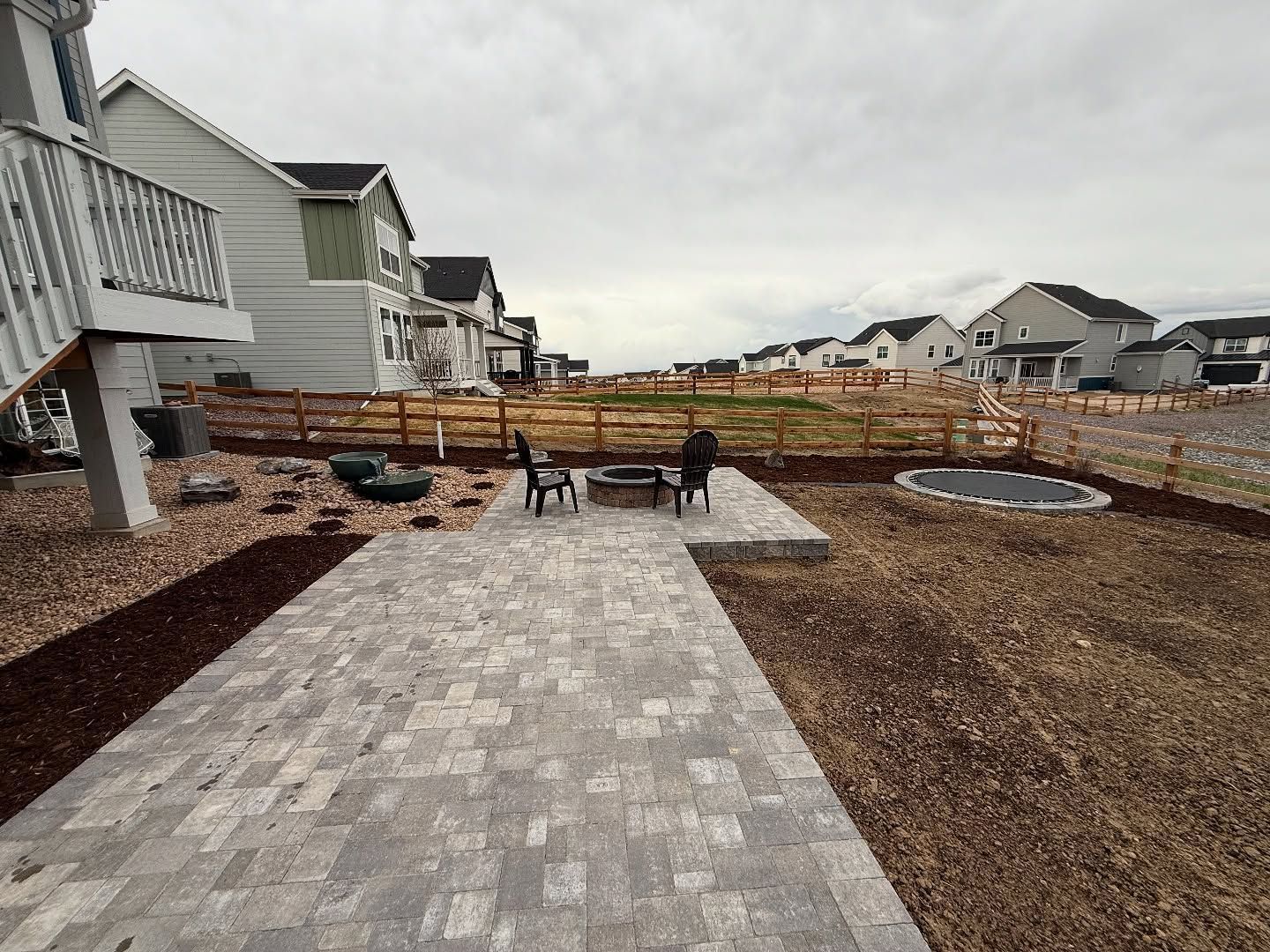
Winter in Highlands Ranch, Parker, Castle Rock, Englewood, and surrounding areas can be tough on outdoor surfaces. If you have a patio, walkway, or driveway, freezing temperatures, snow, and ice can cause cracks, stains, and shifting that impact both the look and safety of your space. The good news is that with the proper preparation and upkeep, you can keep your hardscape in top shape throughout the colder months. If you're concerned about winter damage and prefer a professional's touch, contact us for an assessment of your hardscape. You can reach us at (833) 536-0067 or through our online contact form. Winter’s Impact on Hardscapes In our climate, the main threat to hardscapes isn’t just the cold. It’s the constant shift between freezing and thawing. When water seeps into the small cracks and pores of materials like concrete or pavers, it expands as it freezes. This expansion puts immense pressure on the surrounding material, which can cause existing cracks to widen and new ones to form. When the ice thaws, the water seeps even deeper, and the cycle repeats, slowly but surely deteriorating the surface. This is what's known as the freeze-thaw cycle, and it’s the primary reason many hardscapes show wear and tear after a harsh winter. The weight of accumulated snow and ice can also put stress on a hardscape's foundation. Over time, this can cause pavers to shift or sink, leading to uneven surfaces and potential tripping hazards. Proper winter care is not just about aesthetics; it's also about maintaining a safe and functional outdoor space. Choose Safe De-icers and Avoid Salt Many homeowners turn to rock salt and chemical de-icers to keep their walkways and patios clear. While effective at melting ice, these products can be a homeowner's worst enemy when it comes to hardscape protection. Corrosive Effects: Salt is highly corrosive. It can eat away at the surface of concrete and mortar, causing pitting and flaking. This not only looks bad but also weakens the material, making it more vulnerable to the freeze-thaw cycle. Staining and Discoloration: The white, chalky residue left behind by many de-icers can be difficult to remove and often leads to permanent staining, particularly on natural stone and certain types of pavers. Environmental Impact: Runoff from salted surfaces can harm surrounding plants and grass, contaminating the soil and making it difficult for vegetation to thrive in the spring. The best approach is to be selective about what you use. Consider products labeled as "concrete-safe" or "paver-friendly," which are typically calcium chloride or magnesium chloride-based. Even with these safer options, it’s best to use them sparingly and clear away the slush promptly. Master the Art of Snow Removal When the snow starts to fall, how you remove it is just as important as when. Shoveling or using a snow blower incorrectly can cause damage to your hardscape. To avoid chipping or scratching your surfaces, follow these guidelines: Use the Right Tools: Opt for a plastic shovel with a plastic or rubber edge instead of a metal one. Metal blades can easily scrape and damage the surface of your patio pavers or concrete walkways. Be Gentle with Snow Blowers: If you use a snow blower, adjust the skid plates so the auger blade is raised slightly above the hardscape surface. This prevents the metal blade from hitting the material directly, which can cause chips or scratches. Avoid Piling Snow on the Hardscape: Don’t pile snow on top of your patio or walkway. When the sun hits the pile, the melting water will seep into the ground underneath, freeze, and then expand, causing the ground to heave and potentially shifting your pavers. After a snowfall, remove the snow as soon as possible. Allowing heavy snow to sit for extended periods increases the stress on your hardscape and contributes to a greater risk of water infiltration during warm-ups. Consider Sealing Your Hardscape for Added Protection One of the most effective long-term strategies for protecting your hardscape is to have it properly sealed. A professional sealant creates a protective barrier that prevents water from penetrating the material's pores. A good-quality sealant offers several key benefits for your hardscape: Water Repellence: It acts as a waterproof shield, blocking water from getting into the material and minimizing the effects of the freeze-thaw cycle. Stain Resistance: A sealant makes it much harder for stains from de-icers, fallen leaves, or other winter debris to set into the surface. Enhanced Durability: It strengthens the surface, making it more resistant to erosion and wear from foot traffic and environmental exposure. If your hardscape has never been sealed or several years since it was last sealed, late fall is the perfect time to consider this service. It’s an investment that significantly extends the lifespan and beauty of your patio or walkway. Perform a Pre-Winter Hardscape Inspection Before the first freeze, take a moment to perform a simple inspection of your hardscape. Look for any existing cracks, loose pavers, or signs of wear. Addressing these small issues now can prevent them from becoming major problems later. If you find any significant damage, it's best to have a professional assess the situation before winter sets in. Partner with Local Professionals for Peace of Mind Properly maintaining a hardscape through a Colorado winter requires attention to detail and knowledge of the right techniques. While this guide provides the necessary steps, entrusting your property to experts gives you peace of mind that your investment is fully protected. Our team at JRM Landscape understands the unique challenges of our local climate and has the expertise to ensure your patios and walkways are ready to face the coldest months. Connect with us for a consultation. We aim to help you maintain a beautiful and functional outdoor space all year round. Visit our online contact form or call us at (833) 536-0067 to schedule a discussion about your hardscape needs.
Mark your calendars! JRM Landscape is thrilled to announce we will be participating in the Denver Home Show 2025, which will take place from March 21 to March 23, 2025, at the National Western Complex in Denver, Colorado. Join us for an exciting opportunity to explore innovative landscaping solutions, gain new design inspiration, and meet our team of experts. Here’s everything you need to know about this spectacular event and why you should come visit the JRM Landscape booths! What to Expect at Our Booths This year, we’re bringing not one but two exciting booths to the show! At our main showcase booth (#1432), you can meet the heart of JRM Landscape and discover how we can transform outdoor spaces into something magical. Here’s what you can look forward to: Product Displays: Learn about our wide range of landscaping services, materials, and custom design solutions. Live Demos: Watch our team in action as we showcase tips and techniques for creating stunning landscapes. Exclusive Show Special: Take advantage of our Denver Home Show offer to save 10% on landscape construction projects over $9,000. (Offer valid for Home Show attendees only.) Whether you’re tackling a small backyard makeover or planning a complete outdoor overhaul, our team is ready to help you turn your vision into reality. Feature Booth (#1329) - Roots of Inspiration We’re thrilled to partner with the Denver Home Show on the feature booth theme, "Roots of Inspiration.” Located at booth #1329, this creative masterpiece celebrates the timeless beauty and resilience of nature. You can’t miss this exciting display of our: Artistic Showcase: Experience firsthand how we’ve used creativity, craftsmanship, and the essence of nature to design this stunning display. Design Inspiration: Looking for fresh ideas for your outdoor projects? This booth is brimming with unique concepts you’ll love. We’re incredibly proud of the collaboration behind this feature and can’t wait for you to see it! Your Guide to the Denver Home Show 2025 Here are the key details you need to plan your visit: Location: National Western Complex, 4655 Humboldt St., Denver, CO D ates and Hours: Friday, March 21 | 10 AM - 8 PM Saturday, March 22 | 10 AM - 8 PM Sunday, March 23 | 10 AM - 6 PM Getting there is easy, with convenient parking options nearby (starting at $15) and shuttle services available from designated parking lots. For tickets, buy online for significant savings! General admission is just $10 when purchased in advance online ($12 at the door). Visit Denver Home Show Tickets to secure your spot. Exciting Highlights at the Denver Home Show The Denver Home Show is more than just an event for home improvement and garden enthusiasts. It’s an experience packed with ideas, education, and inspiration for every homeowner. Here are a few highlights you won’t want to miss: Fresh Ideas Stage Head to the Fresh Ideas Stage for engaging presentations, expert advice, and live demonstrations. Topics range from garden design to home renovation tips, with insights from local pros and celebrity speakers like Craig Conover, appearing at select times throughout the weekend. Notable Sessions Include: Friday at 4 PM: Craig Conover – Celebrity Speaker Saturday at 3 PM: Craig Conover – Celebrity Speaker Sunday at 1 PM: Mastering Drywall Repairs with The Wall Rebuilder For full details and schedules, visit the Fresh Ideas Stage page. Exclusive Deals and Giveaways Take advantage of show-only offers and snag deals on everything from landscaping services to home improvement products. Don’t forget to enter various sweepstakes for a chance to win amazing prizes! Inspiration Around Every Corner From innovative landscaping ideas like ours to unique interior design tips, the Denver Home Show is the ultimate destination for finding inspiration for your next big project. Homeowners who attend the show will benefit from: Expert Advice – Meet industry experts who can help you tackle any project, big or small. Interactive Demos – Learn new skills through hands-on exhibits and presentations. Exclusive Perks – Grab discounts and offers you won’t find anywhere else. Connect with the Pros – Build relationships with professionals like us, who are here to bring your dream projects to life. Don’t Miss It – See You at Booths #1432 and #1329! The Denver Home Show is your chance to explore creative new ideas while meeting top professionals in landscaping and home improvement—including the JRM Landscape team. Whether you’re planning your dream outdoor oasis or just looking to get inspired, this is one event you won’t want to miss. We can’t wait to chat with you, share our exciting designs, and help you take the first step toward transforming your outdoor space. Trust us; you’ll leave the show brimming with ideas and enthusiasm. Visit us at Booth #1432 and our feature booth #1329 from March 21-23, 2025. We’ll see you there! For more updates and sneak peeks, follow us on social media or message our team online now.